In the land of ice and fire
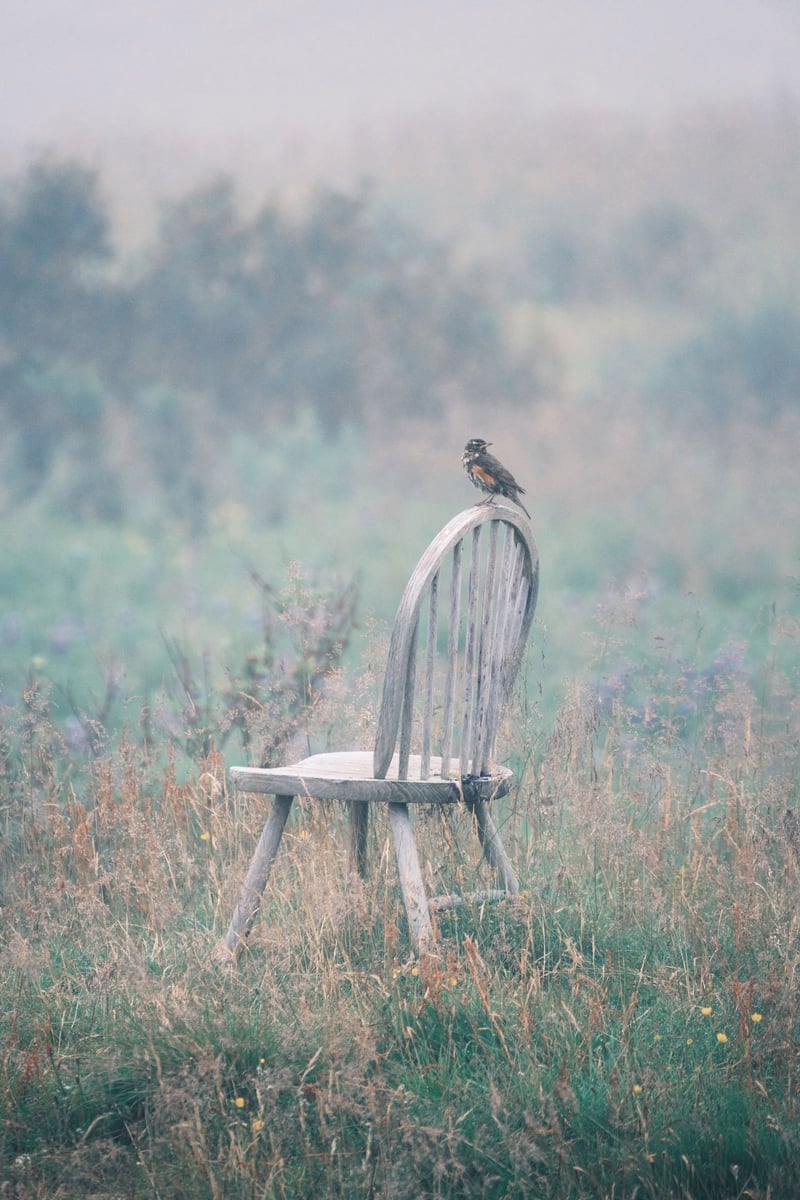
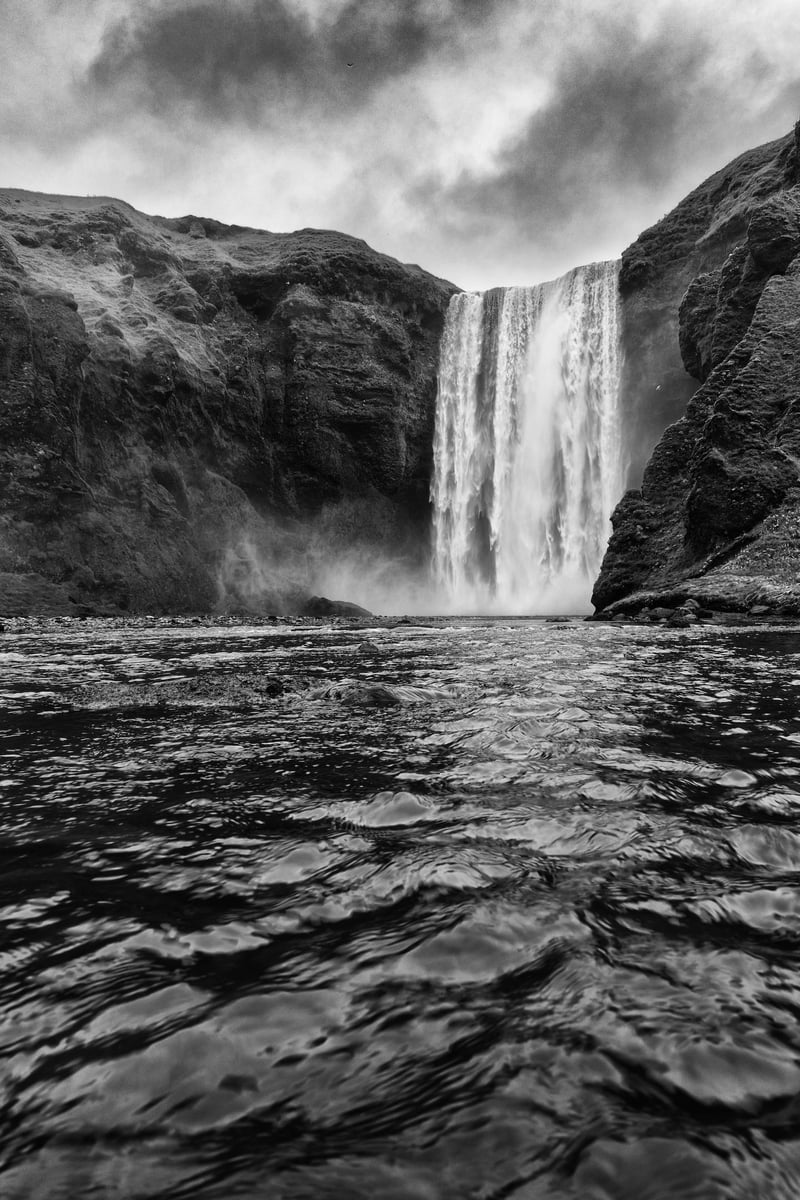
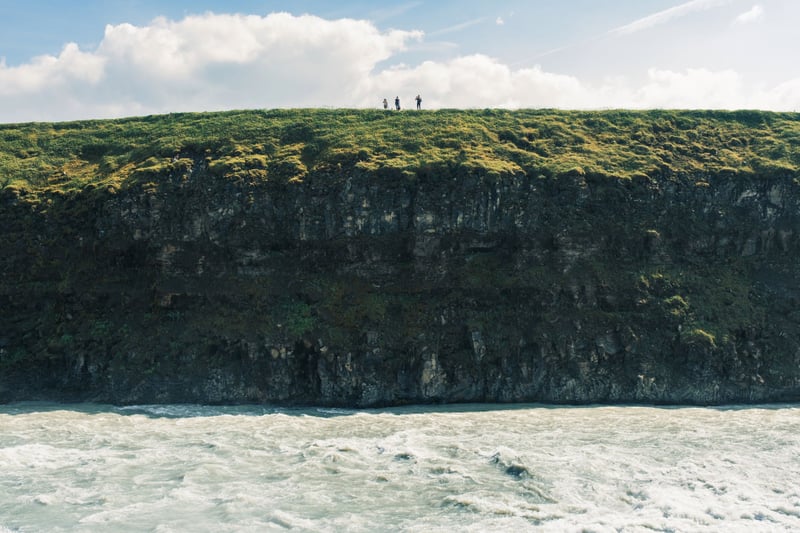
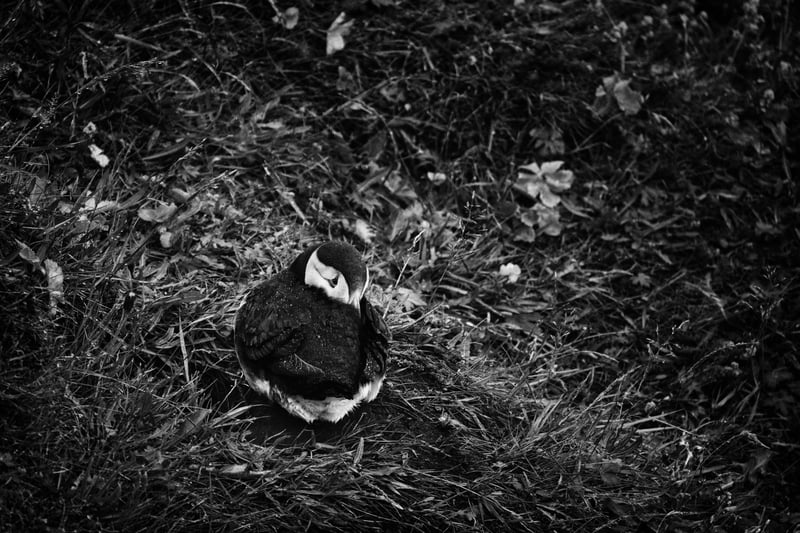
My first ever time in Iceland, in pictures.
•
3 min read
Natura. Chi sei? che cerchi in questi luoghi dove la tua specie era incognita?
Islandese. Sono un povero Islandese, che vo fuggendo la Natura; e fuggitala quasi tutto il tempo della mia vita per cento parti della terra, la fuggo adesso per questa.
Natura. Così fugge lo scoiattolo dal serpente a sonaglio, finché gli cade in gola da se medesimo. Io sono quella che tu fuggi.
Islandese. La Natura?
Natura. Non altri.Nature. Who are you? And what are you doing in these parts, where your species was unknown?
Icelander. I am a poor Icelander fleeing from Nature; and having fled from her most of my life in a hundred parts of the world, I am now doing so in this one.
Nature. This is how the squirrel flees from the rattlesnake, until he falls into its mouth of his own accord. I am the very one you flee from.
Icelander. Nature herself?
Nature. None other.
Dialogo della Natura e di un Islandese — Giacomo Leopardi
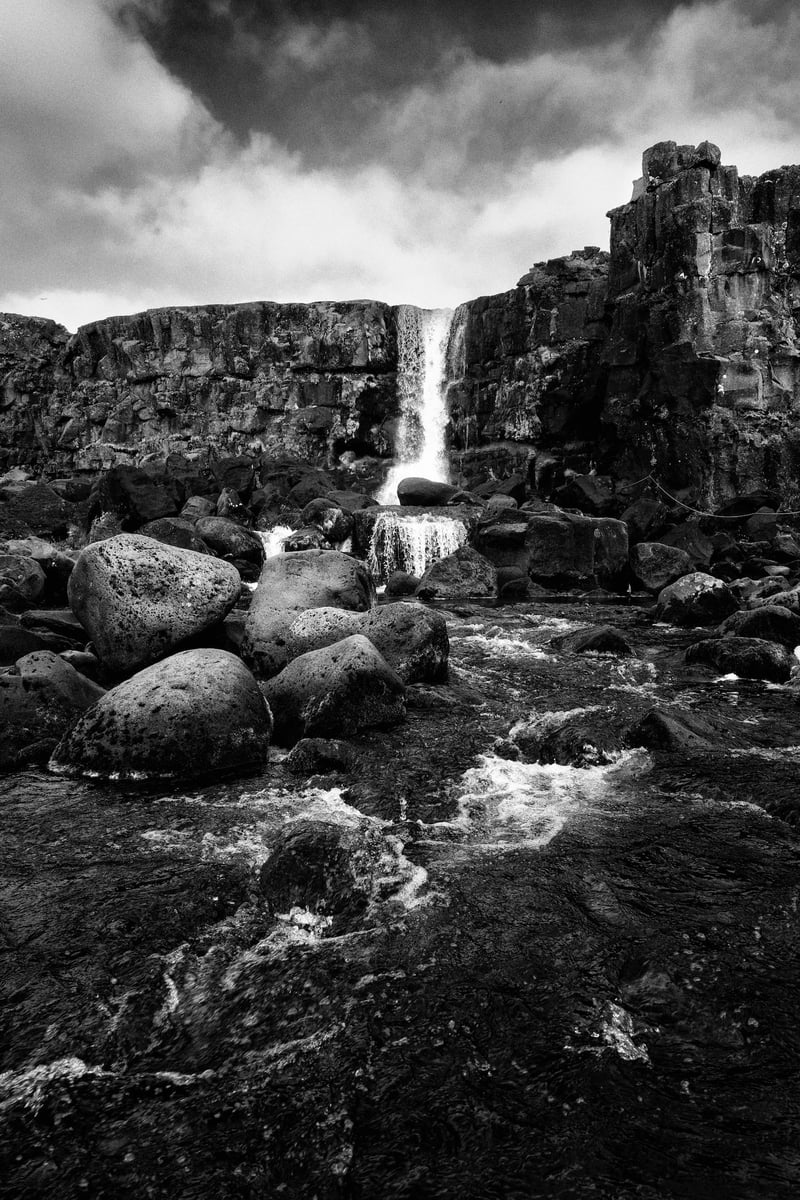
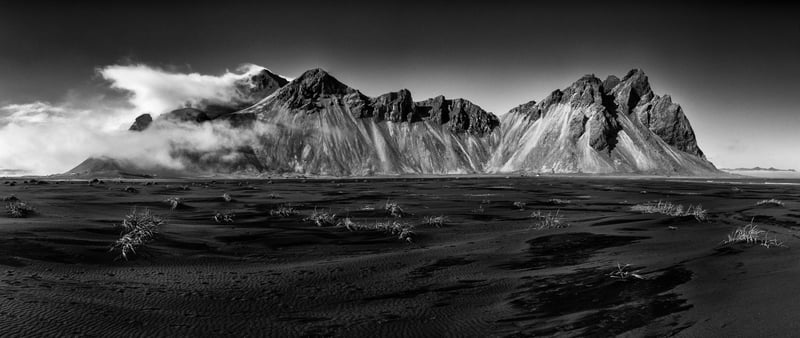
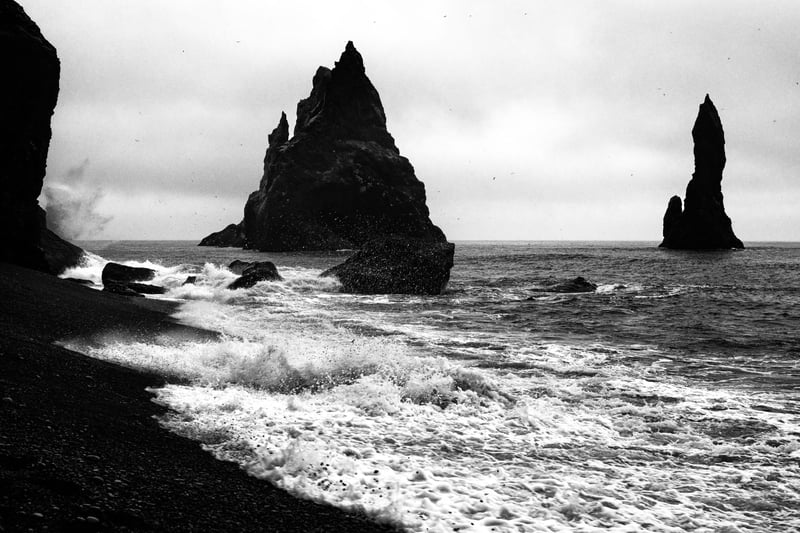
This summer I finally fulfilled my dream of visiting Iceland.
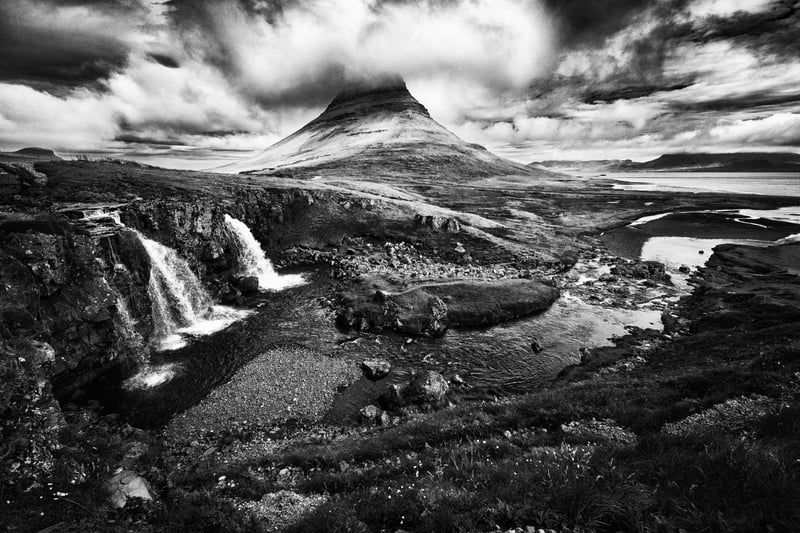
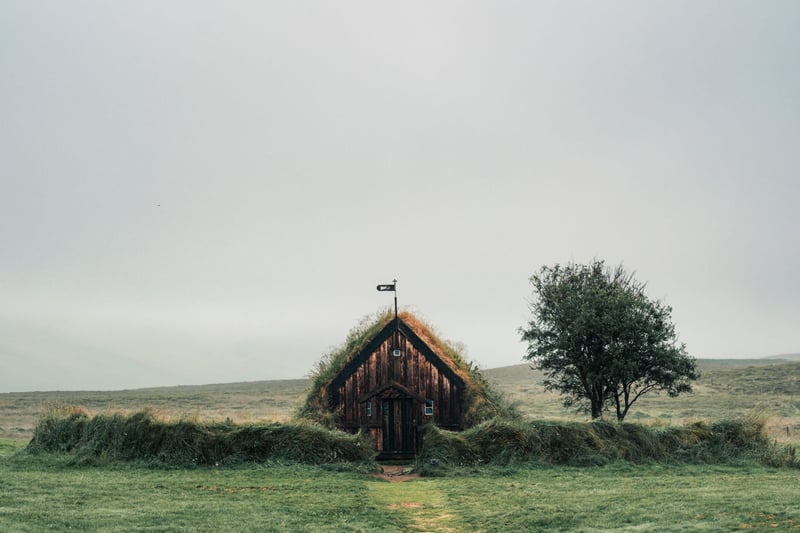
For obvious reasons, it is a land that has always fascinated me: the Mecca of nature photographers. One almost gets the impression — partly because of social media — that every landscape photographer must, sooner or later, come to terms with Icelandic nature.
To be honest, I set off with rather low expectations. Precisely because this destination is so highly praised, I feared the effects of overtourism, which has already damaged Matera, my hometown.
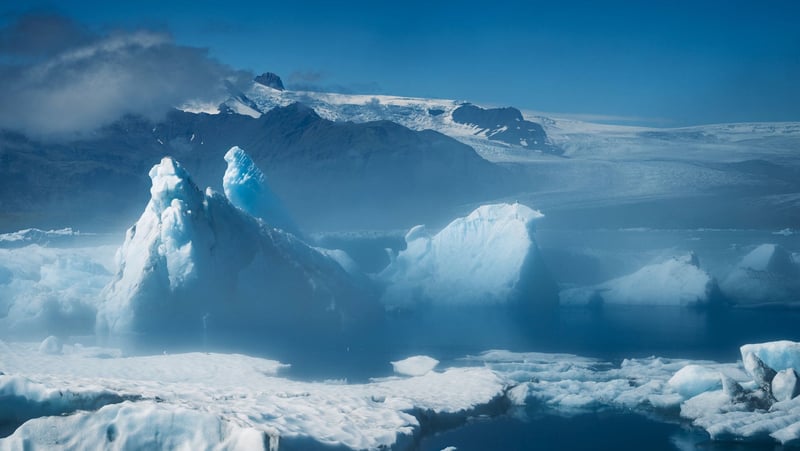
My concerns were partly confirmed: especially along the route as far as Vatnajökull (the largest glacier in Europe), nearly every stop was crowded with people, and we had to carefully choose which places to visit early in the morning to avoid the crowds.
I was surprised, however, by how this sheer number of visitors failed to diminish the magic of Iceland. Every place I visited left me breathless (perhaps only at Skógafoss was the spell broken — there were simply too many people).
Undoubtedly, part of the credit goes to the authorities and the Icelandic people, who passionately protect their natural heritage.
Yet I believe the greatest role is still played by Iceland’s extraordinary nature itself: as beautiful as it is wild, capable of commanding respect from anyone who stands before it.
A bitter reflection
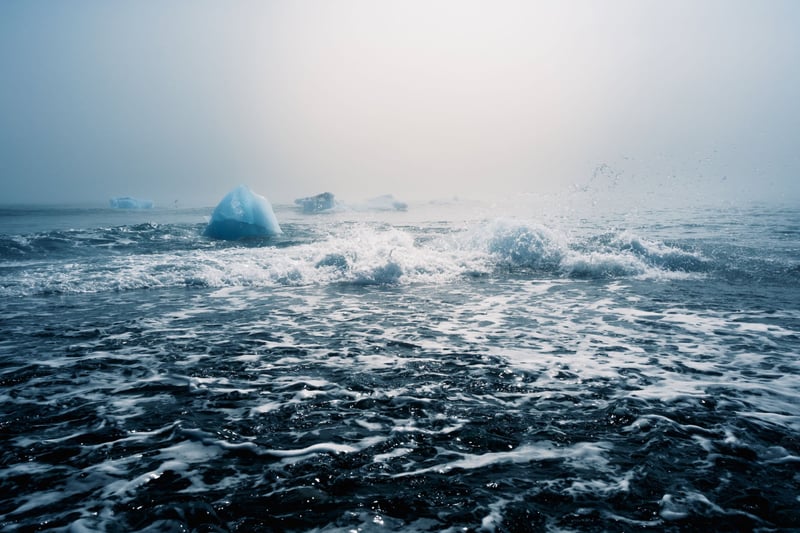
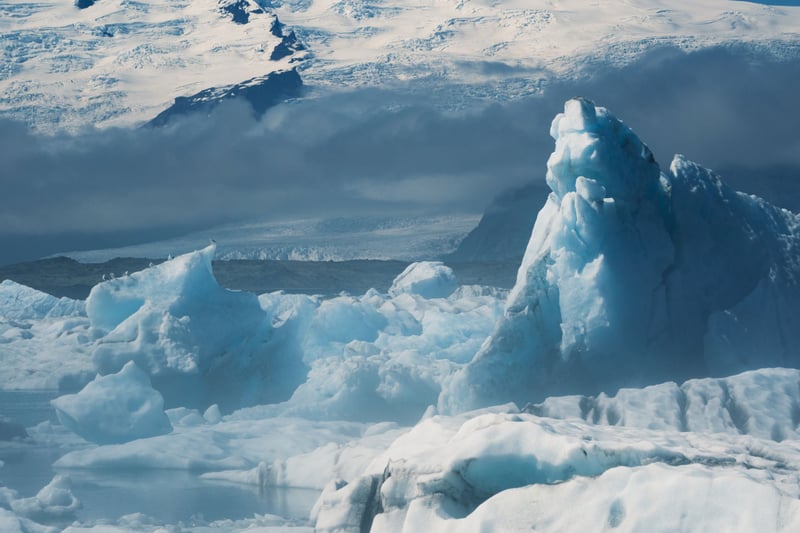
Standing before Vatnajökull, I witnessed with my own eyes the effects of climate change on that proud glacier: ice turning into water far too quickly, and a glacial lake now several meters larger than it was just a decade ago.
In that moment, I thought of Leopardi’s Dialogue of Nature and an Icelander: there, it is man who flees from a nature that crushes him without even noticing. Today, it seems the opposite is true: nature, now desperate, retreats before humanity, which crushes it without realizing it.
How much longer will this paradise endure?
The photos